UNDERSTANDING YOUR HORMONAL BREAKOUTS

UNDERSTANDING HORMONAL ACNE

Hormonal acne is one of the most common and frustrating skin concerns because it often follows patterns that feel difficult to control. Unlike occasional breakouts caused by clogged pores or irritation, hormonal acne is often influenced by internal changes occurring within the body.

Many people notice breakouts appearing repeatedly in the same areas, particularly around the jawline, chin, neck, and lower cheeks. These flare-ups may occur around menstrual cycles, periods of increased stress, pregnancy, perimenopause, menopause, or other hormonal shifts.
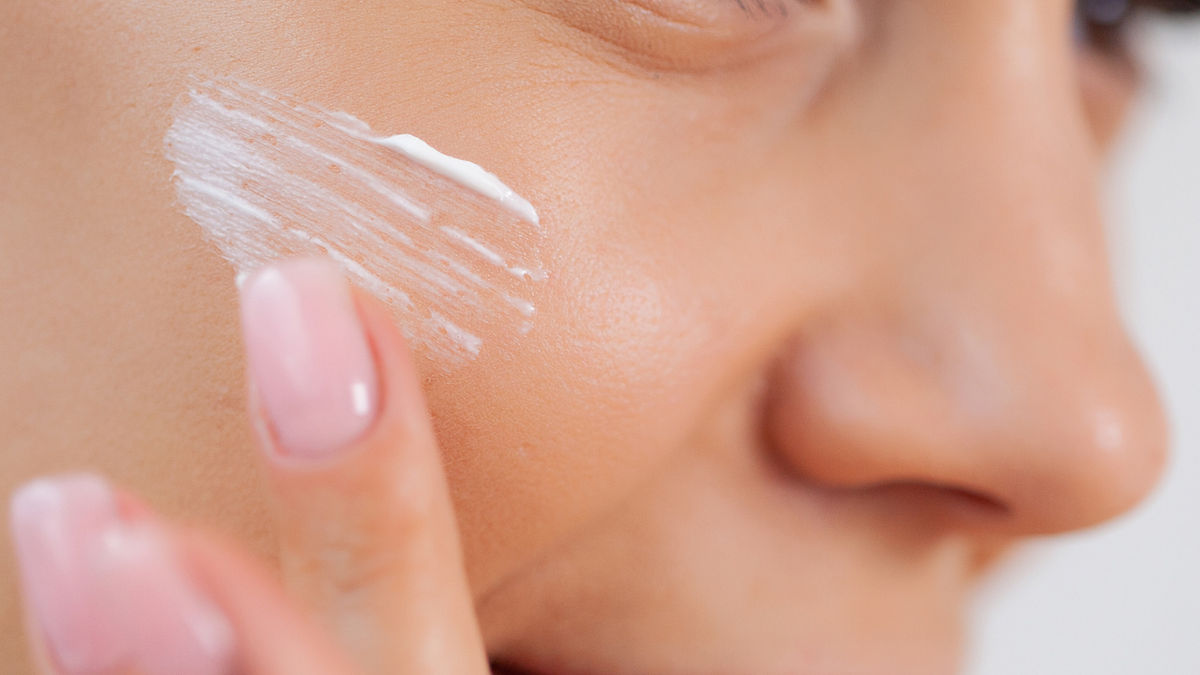
The challenge with hormonal acne is that it often cannot be fully addressed by focusing on skincare products alone. While topical products can support the skin, understanding the factors contributing to these recurring breakouts is often an important part of building a long-term strategy.

WHY HORMONAL ACNE HAPPENS

Hormones play a role in regulating oil production within the skin.

When hormone levels fluctuate, the sebaceous glands can become more active and produce excess oil. This additional oil can combine with dead skin cells and bacteria, creating an environment where breakouts are more likely to develop.

For some people, these fluctuations are temporary. For others, they may be connected to ongoing conditions such as:

MENSTRUAL CYCLES
PCOS (POLYCYSTIC OVARY SYNDROME)
PREGNANCY
MENOPAUSE
POSTPARTUM CHANGES
CHRONIC STRESS
CERTAIN MEDICATIONS

Because everyone's body responds differently, the appearance and severity of hormonal acne can vary significantly from person to person.

COMMON SIGNS OF HORMONAL ACNE

You may be experiencing hormonal acne if you notice breakouts around your chin and jawline, deep and painful blemishes, recurring monthly flare-ups, increased oil production, acne that persists despite using multiple products, or skin changes associated with life stage transitions. While these signs don't automatically confirm a hormonal cause, they can provide useful clues about what may be influencing your skin.

COMMON TRIGGERS

Several factors may contribute to hormonal flare-ups:

Stress

Stress affects multiple systems throughout the body and can influence hormone production. Many people notice worsening breakouts during demanding periods at work, school, or in their personal lives.

Sleep Disruption

Poor sleep can impact recovery processes and may contribute to increased inflammation.

Dietary Factors

Certain foods may affect individuals differently. Rather than focusing on strict rules, it's often helpful to observe patterns and identify personal triggers.

Lifestyle Changes

Travel, schedule disruptions, changes in exercise habits, and major life events can sometimes influence how the skin responds.

COMMON MISTAKES

Constantly Switching Products

Many people respond to flare-ups by purchasing new products every few weeks. Unfortunately, this can make it difficult to determine what is helping and what may be causing further irritation.

Over-Drying The Skin

Harsh acne treatments can leave the skin feeling stripped and compromised, which may create additional issues over time.

Treating Every Breakout The Same

Not all acne behaves the same way. Understanding whether breakouts are hormonal, inflammatory, congestive, or barrier-related can help guide more appropriate decisions.

Chasing Quick Fixes

Skin changes often take time. Consistency is generally more valuable than constantly searching for immediate results.

LOOKING BEYOND THE SURFACE

At Catharsis, we believe skin concerns are rarely isolated events.

Your skin responds to a combination of factors including hormones, stress, sleep, nutrition, daily habits, and environmental influences.

Rather than viewing breakouts as something to simply cover up, we encourage learning about the patterns that may be contributing to them.

Understanding your skin allows you to make more informed choices and build a routine that feels sustainable.

HOW CATHARSIS APPROACHES HORMONAL ACNE

We focus on supporting the skin barrier while helping individuals better understand the factors influencing their skin.

This includes gentle, consistent routines, ingredient education, skin assessment tools, lifestyle awareness, and a focus on long-term skin health rather than quick fixes, as our goal isn't perfect skin, but rather helping you understand your skin better so you can make decisions with confidence.